
Livelihood
Despite of some improvement in e living condition of people in the last one decade, nearly 40 percent of the population in Afghanistan lives in poverty and Afghanistan has remained one of the poorest countries in the World.
HODA has been supporting the livelihoods of the poor communities in rural areas in north east region for five years. We work at household as well as with poor communities’ levels striving to increase their ability to earn a living. HODA’s effort on this is not limited to an increase to poor families’ income, it is beyond that and about other aspects of living which has an impact on a person’s life. Therefore, we believe that our other programs – education, health, governance and disaster relief are inter-linked play a vital role in shaping better living to poor communities by improvement of their access to food, health, education, awareness of their rights and emergency assistance.
Self-Help Groups – SHGs:
Building SHGs is part of our livelihoods work, we create poor community SHGs, work with them to organize and mobilize all the resources available to them. HODA empowers poor people to overcome poverty by helping them to make saving, make investment, produce local products, and generate more income to spend for their living, spend on their children’s education and health care, get access to a reliable food supply and finally reduce their vulnerability. We also aim to improve people’s means of income by providing access to savings and credit programmes, small business loans, and helping people gain skills to run small and medium enterprises/businesses.
HODA has implemented successfully SHGs project in Takhar in 2010 and 2011. 45 villages were covered under this project and totally 1400 poor and marginalized women were targeted by this project. These women and through them their family members gained the skills how to make saving and invest them in SMEs and small businesses such as tailoring, home-based bakeries, home-based vegetable gardens, village level shopkeepers, livestock rearing and business and etc. This project was supported financially and technically by AKF in Takhar province.
Promote human rights & Women rights, Gender mainstreaming & Community access to justice:
Throughout Afghanistan due to lack of education and social and moral values there is a high rate of human rights violations. The study shows that children and women are mostly affected by the human rights violations. In many areas the women are treated inhumanly and always expose to violence and torches of their husbands, brothers and other relatives. Similarly, many of the conflict take place between communities on the small issues the leads to blood shedding and human loss. HODA is one of the major contributors in the elimination of human rights violations and gender mainstreaming in Baghlan, Kunduz, Takhar and Badakhshan Provinces of Afghanistan.
Our organization is an indigenous one, which is working for basic human right protection. We have a separate department for the rights awareness, which is led by experienced and professional expert. We have trained staff for the implementation of rights awareness and advocacy projects and we have good access to the right activists, legal experts and advocacy trainers [Male and Female]. We have established a network of right activist/social volunteers; CSOs, religious leaders. Hoda Organization has the capacity of implementing women, child rights projects in Baghlan, Kunduz, Takhar and Badakhshan Provinces of Afghanistan. We are continuously working with the local associations, Shuras, and local councils and we are completely supported by the government official, local and community leaders.
Development projects:
Over 80 percent of all Afghans lives depend on agriculture and related business to feed their families. In most rural areas where poor lives the intervention of Afghan government is not enough to respond to the need of poor families as the fluctuation of food price, drought and chronic poverty rate is high. Within development perspective, our work focuses on communities’ better access to food. With the development project package, we provide the tools, seeds, knowledge, and training to enable people to become more self-sufficient through more productive agriculture, horticulture, Poultry, vegetable gardens, and livestock rearing.
Education & Other community services:
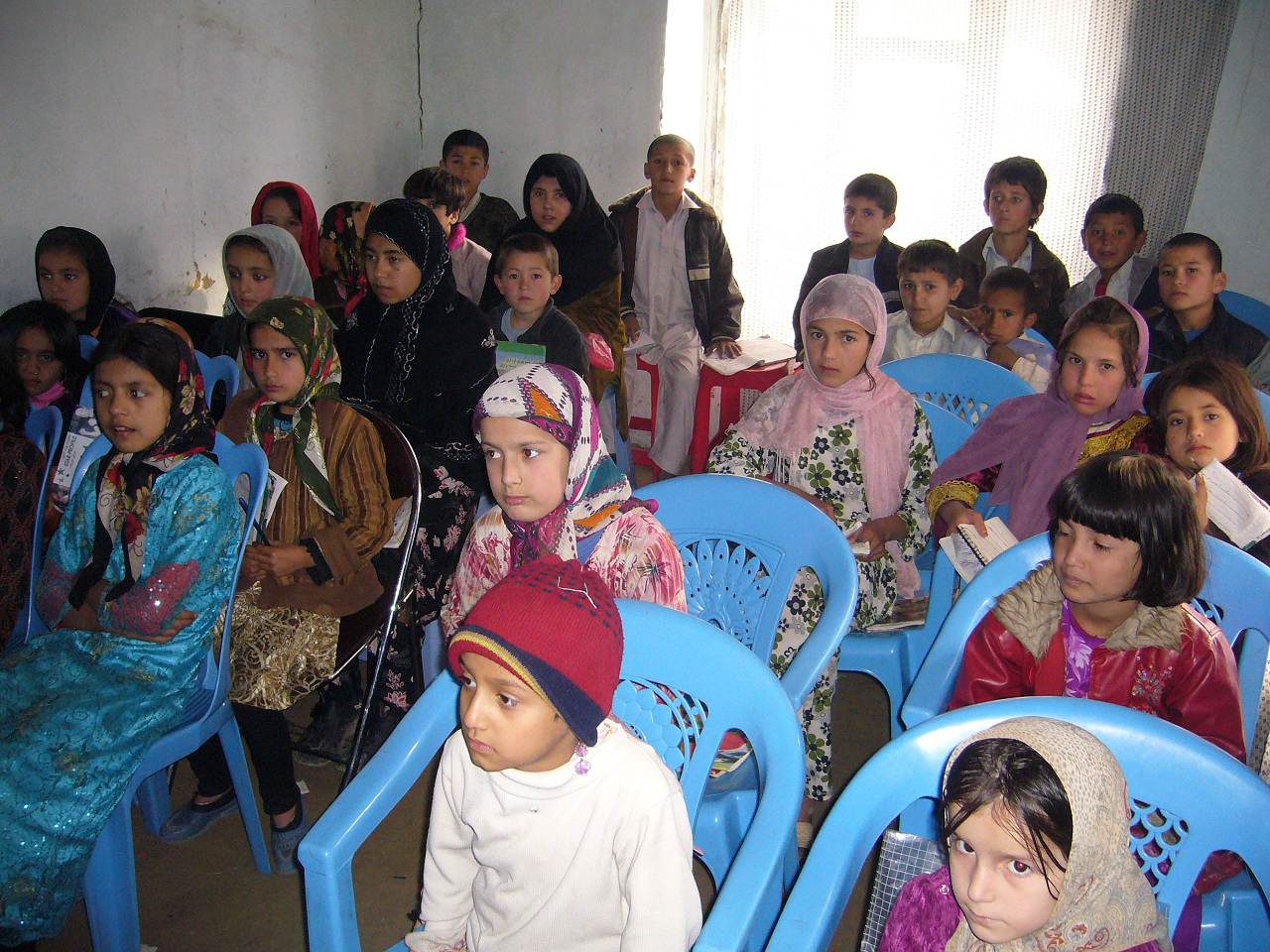
Education is the basic right of all human being living on this earth. In Afghanistan about 70% of population is far away from education. There are limited resources, infrastructure and human resource available in this sector. Due to high poverty rate the parents are unable to support their children’s schooling expenses. Highest child labor rate is another main problem in the promotion of education in Afghanistan.
In remote areas there is no idea of women education and this is the reason that there are no educational institutions for female. Women can play a pivotal role in the promotion and brining of peace in Afghanistan. HODA is acting on a very good plan for the promotion of women education in Afghanistan. Being a responsible civil society HODA have conducted workshop in Takhar province for female teachers serving for promotion of women education. HODA is planning to distribute free books, small donations and gifts to the families sending their kids to school with limited resources.
Peace building & Conflicts mitigation services:
After being thirty years of war and its destruction created a deep effect on the minds of Afghan nation. Many war lords took birth in this long period of internal war and blood shedding, now even after ten years of the democratic government many people in remote areas feel fare and uncertainty and they still have no trust on the present government. Many of the government institutions are trying their best for the mitigation of this fare and uncertainty but still it will take time to change the mind of common community members in remote areas where there is very low rate of education.
Peace building is one of the core responsibility of the civil societies in Afghanistan, Hoda Organization is one of the prominent civil society in Afghanistan that have established separate section for this purpose. This section is leading by the influential community leaders and professional experts that work in remote areas of Baghlan, Kunduz, Takhar and Badakhshan Provinces of Afghanistan and implement many project sponsored by different donors and supported by HODA itself.
Disaster & Emergency:
Afghanistan is a country prone to natural disaster; the north and north east region is particularly highly vulnerable to emergencies as a result of conflicts and natural disasters. They are prone to floods, earthquakes and droughts.
HODA works in northeast region, it is well established and familiar with the region since the last five years, so when disaster strikes we are there and we are able to respond to emergencies fast and make sure help gets to where it is needed most. HODA recognizes that partnership with other INGO, LNGOs and actors on emergencies can speed up responding quickly and effectively when a humanitarian crisis and emergencies happens, we recognize that in order to respond the large scale of disaster and emergencies we cannot work on our own and should seek partnership. Through partners we can implement disaster risk reduction programs, identify and assess the risk and prepare plans to manage disaster and create early warning system and in turn reduce the vulnerability of communities against the natural disaster risk and future hazards.
Hygiene and Health education Project:
The project objective was to reduce the rate mortality and morbidity of mothers and children in poor communities by provision of awareness on personal and environmental hygiene. Most of the diseases are resulted in poor communities from lack of awareness on personal and environmental hygiene and basic health education. Access to these awareness’s has ensured the mortality rate among the mothers and children has decreased, on the other hand the money they were spending on health care and medicine they spend it on other aspect of their lives in turn it contributed improvement of the poor livelihood.
Any community based project need to be sustainable, an essential factor for sustainable projects are the value of community and CDCs ownership on the projects. In implementation of Hygiene and Health Education project this aspect has been explained and covered. The community role in maintaining hygiene, safe keeping of water sources, in addition, the approach of continuing the health education at schools, mosques, health centres and CDCs levels can assure sustainability of project. Besides, creating technical qualities in the targeted poor communities and building their skills on how to keep water sources safe and healthy, repair and control the water sources that do not get damaged has assured durability of the project. HODA considered these aspects of project to a high standard and achieve it successfully in implementation of the Hygiene and Health Education project.